What Can You Really Expect from Lymphatic Drainage Massage Recovery?
When you seek out lymphatic drainage massage at KC Skin & Wellness, you’re likely hoping for more than just a relaxing experience. Many clients arrive with questions about whether this holistic therapy can truly help with swelling, detox, or post-surgical recovery. As with all clinical wellness trends, there’s a gap between hype and reality. The truth is, lymphatic drainage massage offers specific, science-backed benefits—but those outcomes depend on the reason for treatment, the provider’s clinical skill, and your own body’s needs.
Lymphatic drainage isn’t simply a gentle version of deep tissue massage. It’s a focused technique rooted in anatomy and physiology, targeting your body’s fluid channels to support circulation and natural detoxification. When performed by a knowledgeable practitioner, it can be a crucial part of surgical aftercare, inflammation management, and your general wellness routine. But understanding what’s realistic—from the timing of results to the limits of what this therapy can address—is key to a satisfying, safe experience.
What We Cover:
1. The Science Behind Lymphatic Drainage Massage
2. Recovery Benefits and Realistic Outcomes
3. Factors Influencing Recovery: What Affects Your Results?
4. Why DIY Lymphatic Techniques Often Fall Short
5. How Long Does Recovery Take and What Is Possible?
The Science Behind Lymphatic Drainage Massage
Lymphatic drainage massage works by using precise, rhythmic strokes to stimulate the movement of lymph—a fluid containing white blood cells and waste products—through your lymph vessels and nodes. At KC Skin & Wellness, the goal is to encourage gentle yet effective movement of this fluid to reduce swelling, promote detoxification, and improve immune function. This technique can be particularly beneficial after surgery, injury, or during times of sluggishness, as it enhances the body’s own defense and healing pathways.
From a professional standpoint: This is not a traditional massage. Specific training and a targeted approach are required to apply the correct pressure and direction to support, not overwhelm, your lymphatic system.
Recovery Benefits and Realistic Outcomes
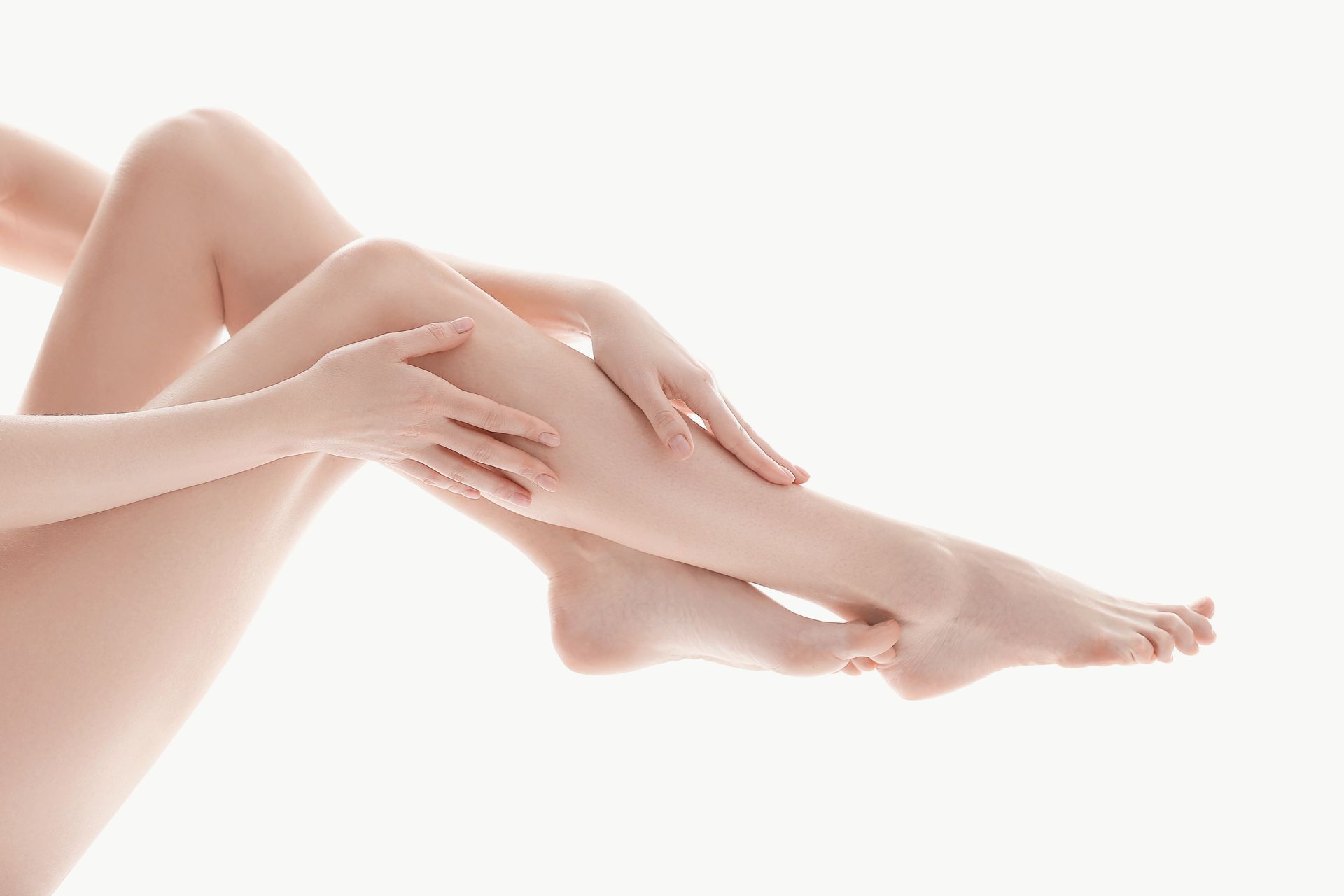
Clients turn to lymphatic drainage for a variety of health goals, most commonly to resolve post-surgical swelling, minimize fluid retention, and reduce puffiness in the face and extremities. With regular sessions, some also report better energy levels and fewer symptoms tied to chronic inflammation or sluggish lymph flow. While the results can feel dramatic—like lighter limbs or a less puffy jawline—the extent of improvement depends on individual factors such as overall health, post-op instructions, and frequency of massage.
When lymphatic drainage is integrated into a comprehensive aftercare or wellness plan, the results can be a powerful compliment to other treatments.
Factors Influencing Recovery: What Affects Your Results?
The speed and quality of recovery you experience from lymphatic drainage massage depend on several details—many unique to each person. The severity of swelling, your hydration status, any underlying health conditions, and even your post-treatment routines all play pivotal roles. For post-surgical clients in Kansas City, seasonal allergies or local weather can exacerbate inflammation, potentially impacting how quickly your body responds. Adhering to recommended aftercare, such as staying hydrated and gently moving your body, can accelerate results.
→ A quick tip to remember: Immediate improvements are possible, but for long-lasting resolution of swelling or detox needs, routine sessions and continued healthy habits are critical for progress.
Why DIY Lymphatic Techniques Often Fall Short
The rise of self-massage videos and at-home devices can make at-home lymphatic work seem attainable, but clinical experience tells another story. DIY efforts often lack the anatomical understanding, nuanced hand pressure, and correct directional technique to safely mobilize lymph fluid. Worse, performing drainage incorrectly can leave clients disappointed or even risk aggravating symptoms. True results are more likely in a setting where a skilled professional tailors each session to your changing needs.
From a professional standpoint: Precision is everything with this service. Practiced technique and ongoing training help ensure your lymphatic system is supported, not stressed.
How Long Does Recovery Take and What Is Possible?
Most people notice an immediate sense of lightness and reduced puffiness post-session, but maximum, lasting benefits typically appear after a series of treatments spaced over several weeks. For surgical aftercare and chronic conditions, it’s common practice to integrate lymphatic drainage once or twice a week at first, tapering to a maintenance schedule as swelling and symptoms subside. For broader wellness or stress relief, monthly visits can help sustain circulation and keep inflammatory symptoms at bay.
It’s important to remember that while results can be impressive, lymphatic drainage is not a cure-all. It is highly effective for fluid balance and recovery, but other issues—such as severe chronic pain, unresolved infections, or structural injuries—require additional interventions from your medical team.
Take the Next Step Toward Effective Recovery
With an honest understanding of what lymphatic drainage massage does and doesn’t do, you’re better equipped to pursue recovery and wellness that fits your goals. At KC Skin & Wellness, sessions are built around your unique needs, local health factors, and the science that makes this form of massage so valued in clinical recovery. If you want expert support and tailored aftercare for swelling, post-op recovery, or whole-body health, reach out to discuss how lymphatic drainage could be an essential part of your routine. It’s a conversation worth having—and a next step you deserve.
Share This Blog